Suriel Tea Co Hot Tea High Lord Hottest: Embroidery Review
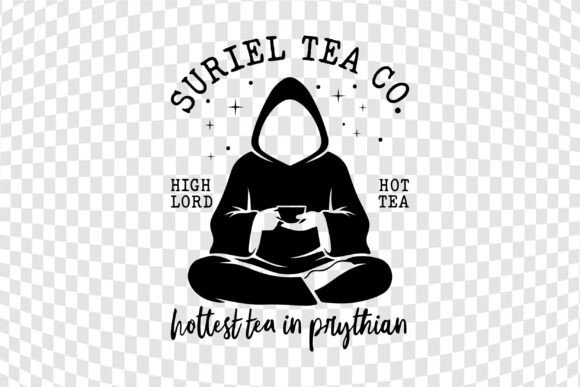
Right out of the download folder, Suriel Tea Co Hot Tea High Lord Hottest makes a statement that feels equal parts cozy and clever. The design blends a steaming teacup with the kind of dark, romantic fantasy energy that fans of Prythian will recognize instantly. It’s not just a tea graphic; it’s a subtle nod to a story world, which immediately sets it apart from generic hot beverage motifs. As someone who stitches hundreds of themes every season, I can already see how this one could become a conversation piece on handmade goods. The composition leans towards a strong central silhouette, with lettering that wraps or sits around the main illustration in a way that feels balanced but not stiff. That kind of structure translates well to thread if handled carefully, but it also hides a few challenges we’ll get into.
This is a T-Shirt Design from a professional graphics store, so the outright expectation is that you’re purchasing a visual asset, not a ready-to-stitch machine embroidery file. That distinction matters a lot for anyone planning to create custom apparel or physical products. You’ll be digitizing from a flat image—likely a high-resolution PNG or vector. In my experience, that extra step is absolutely worth it when the artwork has a personality this distinct, but only if you go in with a clear plan for thread, fabric, and scale.
First Stitch Impressions: What the Artwork Tells an Embroiderer
Opening the file, I immediately noticed the interplay between fluid steam swirls, the teacup’s rim, and the ornate lettering. The mood is dramatic but whimsical, the kind of thing that would feel right at home on a linen blend apron or a deep green sweatshirt. The lettering isn’t tiny, but it’s decorative enough that a straightforward running stitch would kill the charm. To preserve that magical, slightly gothic feel, you’d likely combine a narrow satin stitch for the main text with a lighter fill stitch for the steam. The teacup itself begs for either a solid fill or even a partial applique approach if you want that crisp, dimensional look on coarser fabrics.
One thing I always check right away—even in a graphic file—is whether the details will survive reduction. At a typical left-chest size for a sweatshirt or a 4x4 hoop, some of the thinner swirls might close up. Testing the artwork at 3.5 to 4 inches wide on a printed mockup showed me the steam lines hold, but just barely. You’d need to simplify them slightly during digitizing to avoid thread breaks and messy satin overlaps. That’s not a dealbreaker; it’s just practical embroidery sense.
Where This Design Feels Most at Home
I could list a dozen surfaces, but the real sweet spots for Suriel Tea Co Hot Tea High Lord Hottest come down to fibre, color, and end use. The design has a literary, moody vibe that makes it a natural fit for products aimed at book lovers, cozy fantasy readers, and folks who genuinely treasure a good cuppa. Think reusable tote bag design panels, heavyweight cotton aprons, unisex pullover hoodies, or even a lumbar pillow cover stitched in deep burgundy thread. For baby items it would work as a subtle nursery decor piece—maybe a small framed hoop art—but I’d steer clear of actual baby clothes because the stark contrast and intricate edges could irritate sensitive skin if the back of the embroidery isn’t perfectly clean.
From a small shop perspective, this image has the kind of niche hook that Etsy buyers actively hunt for. A seller could pair the embroidered result with other whimsical or bookish accessories to build a cohesive collection. It reads as a personalized gift more than a generic impulse buy, which supports higher pricing and better customer engagement. I’d feel confident listing a finished product as a “fantasy tea lovers’ tote” or a “book club host apron.” The recognition factor is immediate if your audience knows the source material, and even if they don’t, the phrase “Suriel Tea Co” with the “High Lord” tag still sounds like an upscale, boutique tea brand.
The Real Fabric Gut Check
Not every base cloth will pull off this design with equal grace. I’d be cautious with anything too stretchy, like thin jersey tees, because the lettering and fine steam lines need dense stabilization that can turn a soft t-shirt into a stiff, puckered panel. A medium-weight cotton or poly-cotton blend sweatshirt handles that much better. Similarly, textured fabrics like waffle knit or thick terry towelling will eat the small details. A smooth canvas tote, a linen-blend tea towel, or a sturdy twill cap gives the digitized design the crisp edge it deserves.
Dark fabrics are actually my preferred base for this artwork. The visual mood comes alive when you use metallic gold, copper, or even a soft cream thread against a navy, charcoal, or forest green background. On white or pastel fabrics, you lose some of the atmospheric depth, though it can still work with the right thread palette. The key is to test a black-and-white mockup before you buy, because that instantly reveals whether the steam shapes read as intended or just blend into a blob. Suriel Tea Co Hot Tea High Lord Hottest passes that grayscale test fairly well, but the lower-right swirl could use a touch more space to breathe.
From T-Shirt Graphic to Embroidery: Technical Sense Check
When I digitize a piece like this, I’m mentally allocating stitch types long before I touch software. The teacup outline and any bold borders lend themselves to a satin stitch with a width around 4mm, while the larger solid areas of the cup might be better as a fill stitch with a slight angle to catch light. The steam lines demand a fine running stitch or a very narrow satin column; I’d probably go with a running stitch in a slightly thicker 40wt thread to maintain delicacy without fragility. The lettering sits at the heart of the design’s identity, so I’d insist on a clean, small satin font conversion, not an auto-digitized jumble. A bit of manual node cleanup goes a long way here.
Hoop size is another practical checkpoint. A 4x4 hoop can contain the design if you keep the overall footprint under 3.8 inches, but for a bag or sweatshirt back, scaling up to a 5x7 or 6x10 hoop lets the details sing without feeling cramped. On curved surfaces like caps, I’d only use this as a front-center embroidery and edit out some of the more expansive swirls to fit the natural arc of the hat. The tightly radiused structure of a cap demands a simplified version, otherwise the edges will distort and the thread may not track cleanly.
Stabilizer choice is non-negotiable. For anything worn or washed often, I use a medium-weight cutaway backing. Tote bags and tea towels might get by with a quality tear-away plus a water-soluble topper on textured weaves. Without proper stabilization, the denser fill areas will pull and create a lumpy mess after the first wash. A few test hoops on a scrap of the actual fabric will tell you everything you need to know—never skip that step.
The Thread Palette: Color Decisions That Make or Break It
Because the source file is a graphic, there’s no prescribed thread chart. I treat that as freedom. I’ve mocked up Suriel Tea Co Hot Tea High Lord Hottest in several palettes and found that a rich amber or oxidized copper thread for the steam and cup details gives an almost heirloom feel. For the lettering, a deep cream or soft gold on a dark background reads elegantly; a matte black on a natural linen looks equally smart in a minimalist way. If you’re selling the finished product, consider offering two colorways—one dramatic, one subtle—so the buyer feels they’re getting something tailored. Thread color contrast is everything, because a low-contrast choice can turn the carefully built swirls into a vague shape.
I also advise testing with a polyester thread for items that will face heavy washing; it holds up better than rayon and keeps the crispness of the lettering intact. For display pieces like hoop art or pillows, a rayon with a slight sheen can make the “tea” feel warm and inviting, which fits the theme perfectly.
Prepping for a Real Client Project
Let me paint the scenario that actually had me test this design. A regular customer of mine wanted a custom embroidered patch concept that could later be sewn onto a tote bag for a Prythian-themed book swap. She wanted something that hinted at the High Lord lore but still functioned as a standalone tea motif. Suriel Tea Co Hot Tea High Lord Hottest matched that brief almost eerily well. I loaded the graphic into my digitizing software and spent an afternoon adjusting stitch angles, running test sew-outs on a 5x7 hoop, and checking how the thread laid on both quilted cotton and unbleached canvas. The final patch came out beautifully—the steam lines had that light, airy feel, and the text stayed legible even after scaling down to 3.5 inches. She requested a deep burgundy thread on a cream base, and the contrast was striking without being harsh. That patch now lives on a denim tote, and she’s already gotten orders from two friends who saw it at the event.
That real-world test confirmed something crucial: the design needs a little finessing, but the core idea is solid enough to build a boutique product line on. It also reminded me that you should always check licensing. Since this is a commercial T-shirt design, the store likely allows physical product sales, but you absolutely must verify whether creating embroidered items and selling them falls under the same license. A quick message to the designer or a careful read of the shop terms can save you from a world of trouble later.
Where You Should Pause and Test Twice
There are a few places where Suriel Tea Co Hot Tea High Lord Hottest will punish impatience. The thin swirl ends are prone to snail trails or skipped stitches if your machine isn’t perfectly timed and threaded with a sharp needle. On stretchy or thin fabric, the dense fill area behind the teacup might cause puckering unless you add a layer of mesh stabilizer and perhaps lower the stitch density slightly. And on anything smaller than a 3.5-inch width, I’d recommend removing one or two of the steam curls entirely during digitizing. It’s better to have a clean, slightly simplified version than a messy one that kills buyer trust in your handmade product quality.
Also, if you plan to list the finished embroidery on Etsy, photograph it in natural light with a lifestyle context—maybe the tote resting next to a well-loved paperback and a steaming mug. This immediately communicates the vibe and helps the buyer imagine owning it. That kind of presentation aligns perfectly with the design’s story-driven appeal and keeps your craft business from blending into the sea of generic “tea lover” items.
Final Practical Verdict
Suriel Tea Co Hot Tea High Lord Hottest is not a finished embroidery file; it’s a high-potential design asset that a skilled embroiderer can turn into a standout product. I value it for its layered personality, strong central imagery, and the way it invites a beautiful thread palette conversation. It works best on smooth, medium-weight fabrics, in hoop sizes of 5x7 or larger for full detail retention, and rewards careful manual digitizing with a finished piece that people immediately want to touch and ask about. If you’re willing to put in the test runs and thoughtful stabilizer work, this can become a signature item in your shop lineup, whether that’s patches, aprons, pillow covers, or totes. Just go in knowing it’s a collaboration between the graphic’s charm and your stitching skill—and that combination, when balanced right, is exactly what sets memorable embroidery apart.