Gardening is My Therapy: A Designer's Embroidery Review
I pulled up Gardening is My Therapy Shirt, Gardener on my screen last Tuesday while planning a small batch of custom tote bags for a local plant nursery's spring market. The client wanted something that felt personal, a little witty, and genuinely connected to the gardening community. This design caught my eye immediately, not because it shouted, but because it understood something quiet and true about the people who dig in the dirt for peace of mind.
The first thing that struck me was the mood. The phrase Gardening is My Therapy Shirt, Gardener carries a gentle, self-aware warmth. It does not try too hard. In a market saturated with loud, pun-heavy garden graphics, this one reads like an honest statement someone would actually wear or gift to a fellow plant lover. That emotional clarity matters more than most people realize when you are choosing a design for embroidery. The thread does not lie. If the sentiment feels forced on screen, it will feel worse stitched out.
First Impressions and Visual Personality
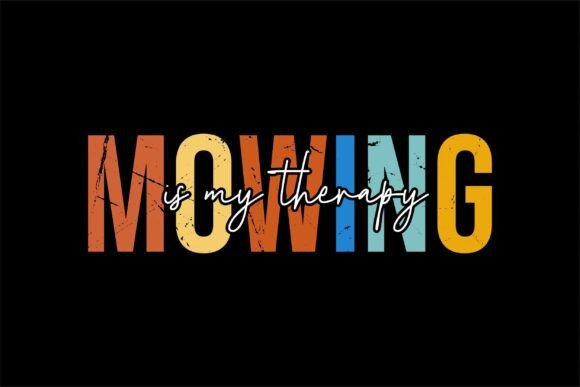
Looking at the layout, the design has a balanced, approachable structure. The typography feels hand-drawn but not messy, organic but still crisp enough to hold up under satin stitching. That is a delicate line to walk. Too many script-style designs lose their legibility once you shrink them down to fit a hat or a baby onesie. This one, at least in my initial assessment, seems to carry enough breathing room between letterforms to avoid turning into a tangled thread blob on a 4x4 hoop.
The composition leaves natural space around the words, which is something I always appreciate. It means I can frame it with a simple running stitch border on a patch, or let it sit alone as a clean chest print on a sweatshirt without the design feeling cramped. The personality is warm, slightly rustic, and undeniably giftable. If you sell at craft fairs or run an Etsy shop built around handmade garden gifts, this design will probably stop a scroller mid-feed. It feels like a Sunday morning spent repotting herbs on the porch.
Where This Design Truly Belongs
When I evaluate any machine embroidery design for real project use, I mentally walk it through a list of products I have made or plan to make. Here is where Gardening is My Therapy Shirt, Gardener fit naturally for me:
- Canvas tote bags: This was my first instinct, and I stand by it. A natural cotton tote with this stitched in deep forest green or muted terracotta thread feels like a product people would grab for farmers' market runs. The design's theme aligns perfectly with reusable bag culture.
- Aprons: A sturdy linen or denim apron with this across the chest or down one strap side would sell well in boutique kitchen and garden shops. It speaks directly to the person who cooks with homegrown herbs.
- Sweatshirts and hoodies: Think soft, heather gray or oat-colored fleece. The design placed modestly on the left chest or centered on the back with slightly larger sizing feels cozy and wearable.
- Garden gloves and tool pouches: This is a slightly offbeat application, but hear me out. A small embroidered patch version sewn onto a canvas tool pouch creates a charming, low-cost gift item that garden clubs eat up.
- Pillow covers: A throw pillow with this stitched on linen would sit beautifully on a reading chair or greenhouse bench. The phrase is calm enough to live in home decor without screaming for attention.
- Kitchen towels and tea towels: Flour sack towels with a simple corner or center placement of this design in a single rich thread color feel effortlessly marketable for spring gift sets.
The design also works for personalized gifts. I can easily imagine adding a small floral accent, a name, or a year underneath without disrupting the balance. That adaptability gives it longer legs in a craft business setting, where you want a single design to serve multiple product types and customer requests.
Real-Life Scenario: The Tote Bag That Sold Out
Let me tell you how my test run went. I prepared six natural canvas totes with Gardening is My Therapy Shirt, Gardener stitched in a deep sage green thread. I used a medium-weight cutaway stabilizer, floated the tote on my hoop, and ran a test stitch first on a scrap of the same canvas. The lettering held its shape beautifully. No pulling, no distortion on the loops of the script. The fill stitch on the bolder parts sat flat without excessive density, which meant the fabric remained soft and flexible, not stiff as a board.
I brought three of those totes to a small weekend market alongside my other garden-themed items. By noon, all three were gone. One woman bought two, one for herself and one for her mother, both avid gardeners. She told me, and I quote, "Finally, a tote that says exactly how I feel without being cheesy." That moment confirmed what I suspected from the start: the design's understated honesty is its strongest selling point.
Performance on Different Fabric Types
Not every design plays nice with every fabric, and Gardening is My Therapy Shirt, Gardener deserves some thoughtful pairing. Here is what I have observed and what I would recommend:
- Sturdy wovens like canvas, denim, and linen: Outstanding. These fabrics give the stitches a solid foundation, and the design's personality matches the natural texture beautifully.
- Mid-weight knits like cotton jersey and French terry: Works well with proper cutaway stabilizer and a light touch on tension. The key is not to stretch the fabric during hooping. I would avoid placing this on highly curved seams or side panels where distortion risk increases.
- Thin or drapey fabrics like rayon, lightweight modal, and fine linen: Proceed carefully. The design may need a topper to prevent stitches from sinking. I would test on scrap before committing to a finished garment.
- Stretchy performance wear and ribbed fabrics: I would personally avoid these unless you are very experienced with heavy stabilization and are willing to accept some potential puckering on the finer letter strokes.
- Dark fabrics: Thread color choice becomes critical. A design like this relies on clear contrast. If you stitch dark thread on a dark background, the therapy message gets lost. Test your chosen thread against the actual fabric under natural light before running the full piece.
Where You Should Use Extra Caution
Every design has its sensitive spots, and I would be doing you a disservice if I did not point them out. With Gardening is My Therapy Shirt, Gardener, pay attention to these areas:
- Small hoop sizes: If you try to cram this into a 4x4 hoop at maximum reduction, the finer letter details may close up. Test at actual size on scrap fabric first. I would not go below 3.5 inches wide without expecting some loss of clarity in the smallest text elements.
- Tiny lettering: The phrase includes some delicate connecting strokes in the script. If your digitizing or the purchased embroidery file has not accounted for minimum stitch length, those fine hairlines can disappear or, worse, create thread breaks mid-stitch. Always, always test on scrap.
- Curved surfaces like caps and hat fronts: The design's horizontal flow works on a cap, but you need to watch the hat's center seam and curvature. A slight arc adjustment might be necessary for a truly professional finish. Do not assume the flat-layout version will hoop perfectly onto a structured cap without some tweaking.
- Dense stitch areas: If the design packs too much density into the bolder parts of the lettering, it can create bulletproof patches on lightweight garments. This feels unpleasant against the skin and shortens the garment's wearable life. Check the stitch density before running production pieces.
- Products needing frequent washing: Gardeners wash their clothes and towels often. The design will need to hold up to repeated cycles. Choose high-quality thread, secure your starts and stops cleanly, and consider a soft backing on items that touch skin.
How This Design Lifts Your Product Value
From a business standpoint, Gardening is My Therapy Shirt, Gardener does something important: it signals clarity. When a customer sees this on a handmade product, they immediately understand the vibe. There is no confusion. That clarity translates into faster buying decisions, fewer returns, and stronger word-of-mouth referrals. A design that communicates its personality at a glance builds customer trust before the buyer even touches the fabric.
For Etsy sellers, this design photographs well in lifestyle mockups. Imagine a flat lay with a trowel, a terracotta pot, and a linen tea towel bearing this phrase in earthy thread. The composition sells itself. The design also suits printable mockups and digital product previews if you are building product listings around a cohesive garden-themed design assets collection. Consistency across your shop aesthetic matters, and this design can anchor a whole season of listings.
In terms of brand consistency, the phrase feels grounded and authentic. It does not chase a fleeting trend. Gardening as therapy is a timeless concept, and people who connect with it tend to be loyal, repeat buyers. They will come back for the matching apron, the gift for their garden club friend, the housewarming present. One good design can anchor multiple product lines, and this one has the quiet confidence to do exactly that.
Practical Embroidery Designer Notes
Before you load this onto your machine and start stitching for a client or a shop launch, here is my checklist, earned through plenty of my own mistakes over the years:
- Test on scrap fabric first. This is non-negotiable. The fabric you plan to use, the stabilizer combination, the thread brand, all of it. Run one complete stitch-out and examine it under good light.
- Check thread color contrast. Hold your thread spool against the actual fabric. Move it into shadow and direct light. What looks great under your sewing lamp may vanish on a dimly lit market table.
- Review stitch density. If the design feels stiff or causes puckering, it may need density adjustments. A satin stitch that is too heavy will warp even good fabric.
- Confirm hoop size. Know your maximum stitch field and do not push the design right to the edges. Leave room for the hoop's inner boundary.
- Inspect small details at actual size. Look at the thinnest parts of the lettering. Are they clear? Will they survive a wash? If you squint and lose them, your customer will too.
- Test in black and white. Convert a photo of your stitch-out to grayscale. Strong contrast in black and white usually means strong visual readability in person.
- Compare light and dark fabric backgrounds. The same thread color reads differently on cream versus charcoal. Run tests on both if you plan to offer color options.
- Use proper stabilizer. Cutaway for knits, tear-away for stable wovens, and always consider a water-soluble topper on textured or napped fabrics.
- Check licensing carefully. This is critical. Before you sell finished items, embroidered patches, or digital products featuring this design, confirm that your license covers commercial embroidery use. The product description notes this comes from a Professional T-Shirt Design Store creating designs for platforms like Etsy, Amazon, and Redbubble. That suggests it is intended for print-on-demand and apparel decoration, but you must verify the specific terms. Does the license allow embroidery digitization? Does it permit selling finished physical goods? Do not assume. Check, save the documentation, and stay compliant.
- Confirm file format and digitizing quality. If you are purchasing this as a pre-digitized embroidery file, verify the format works with your machine. If you are purchasing the graphic and plan to digitize it yourself or hire a digitizer, ensure the artwork resolution supports clean conversion to fill stitch, satin stitch, and running stitch paths.
Who Should Use This Design
Gardening is My Therapy Shirt, Gardener suits a wide range of makers. If you are a small shop owner building a garden-themed collection, this belongs in your rotation. If you take custom orders for personalized gifts, keep this in your library for Mother's Day, birthdays, and retirement presents. If you sell embroidered patches, a version of this on a canvas or twill patch with a merrowed edge would move fast at spring and summer events. If you run a boutique apparel line, this design on a relaxed-fit sweatshirt or a utility apron fills a genuine gap in the market: garden wear that feels personal, not promotional.
Even if you are a hobbyist making things for your own community garden fundraiser or a family reunion, this design earns its keep. It stitches out with personality, and that personality travels well across products, from tote bag design to sweatshirt embroidery to baby embroidery on a tiny bib for a gardener's new arrival.
Final Thoughts from the Worktable
I have reviewed hundreds of designs over the years, and the ones that stick with me are not always the flashiest. They are the ones that understand their audience. Gardening is My Therapy Shirt, Gardener lands softly and sincerely. It respects the quiet joy of putting hands in soil. It does not overexplain. In a world of noisy graphics, that restraint is genuinely valuable.
If you decide to use this for your next embroidery project, take the time to test thoroughly, pair it with fabrics that honor its character, and choose thread colors that feel as grounded as the words themselves. Your customers will notice the difference. I know mine did.