Powered by Caffeine Teacher Shirt SVG Graphics Review
I have tested hundreds of graphic design assets over the years while building product collections for my Etsy shop and preparing inventory for local craft fairs. When I first opened the Powered by Caffeine Teacher Shirt SVG, I immediately recognized it as the kind of design that stops a scrolling buyer mid-feed. It carries that perfect blend of playful honesty and relatable humor that teachers, parents of students, and gift shoppers actively search for during back-to-school season, teacher appreciation week, and holiday gifting cycles.
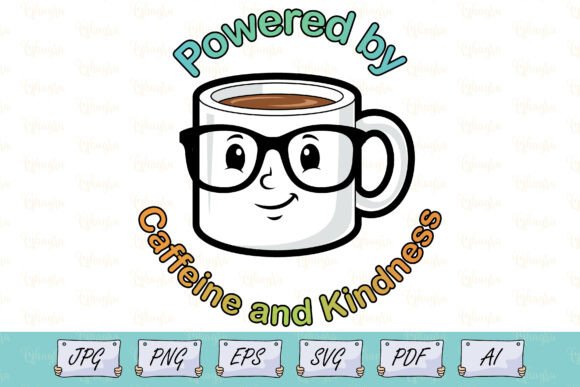
The mood lands somewhere between cheeky classroom humor and cozy coffee-shop aesthetic. Visually, it suggests a bold yet approachable style that works beautifully on casual apparel, drinkware, and gift products. The typography choices and composition give it a modern handmade feel without being overly decorative or difficult to read. This is not a fragile, whisper-thin design that disappears on a dark shirt. It holds its own.
From a product design standpoint, Powered by Caffeine Teacher Shirt SVG appeals to a clearly defined customer profile. The buyer likely falls into one of several categories: a teacher who lives on coffee and wants to wear that truth proudly, a parent shopping for a classroom teacher gift, a school staff member looking for group apparel, or a handmade seller catering to the education niche. That niche clarity is valuable because it makes product listing optimization easier and customer targeting more precise.
First Impression and Visual Personality of the Design
When I previewed the file on my desktop and then placed it onto a product mockup, the design immediately communicated its intent. The layout reads cleanly even at a glance. The lettering has enough weight to survive the tiny thumbnail previews that Etsy and creative marketplace listings depend on. That matters enormously because if a customer cannot read the shirt design on a mobile screen, they will not click, and they certainly will not buy.
The artistic personality sits in a sweet spot between bold statement graphics and cozy, relatable illustration. It feels slightly rustic in a modern way, the kind of design that looks equally at home on a soft cotton tee, a ceramic mug, or a canvas tote bag. The mood is warm, slightly witty, and unapologetically caffeinated. This emotional tone matches what handmade business owners often seek for seasonal collections timed around August back-to-school launches and May teacher appreciation promotions.
One detail I appreciate as a seller is that the design does not rely on ultra-thin hairlines or complex layered elements that become a nightmare during the weeding process. The composition respects the real-world limitations of vinyl cutting, screen printing, and sublimation transfer without sacrificing visual impact. That balance between artistic appeal and production practicality is something only experienced crafting professionals truly value until they waste hours fighting a poorly constructed SVG.
Real Crafting Scenarios Where This Asset Performs Best
After testing the file across several product types in my workflow, I can confidently outline where Powered by Caffeine Teacher Shirt SVG delivers its best results. The design naturally suits t-shirt design applications, which is its primary purpose, but its usefulness extends far beyond basic apparel. I placed it onto a 15-ounce ceramic mug through sublimation and the result looked professional enough to sell at a premium price point. The design scaled cleanly to fit the standard mug wrap template without requiring awkward cropping or distortion.
Tumbler wraps represent another excellent application. The tall, narrow canvas of a 20-ounce skinny tumbler complements the vertical or stacked layout common to many caffeine-themed designs. Using a sublimation design workflow, I transferred the graphic onto a stainless steel tumbler, and the crisp lines held sharp through the entire heating process. For sellers who specialize in drinkware bundles, pairing this design with a matching coffee-themed sticker or gift tag creates a cohesive product set that photographs beautifully as a collection.
Tote bags and canvas pouches also make natural homes for this type of graphic design asset. The slightly textured surface of a cotton tote adds organic warmth to the printed design, and the bold lettering style remains legible even when the bag is casually slouched. Teacher appreciation gift bundles often include a tote bag, a mug, and perhaps a small notebook or planner. Having one consistent design flow across all three products strengthens brand perception and increases the perceived value of the set.
For paper-based crafts, the accompanying PNG design with transparent background opens up possibilities for printable design applications. Greeting cards, gift tags, and party decorations for teacher retirement celebrations or classroom parties can all incorporate the same graphic motif. I printed a test sheet of gift tags onto 110-pound cardstock, and the transfer was crisp with no fuzzy edges, assuming the original PNG resolution is set to at least 300 DPI for print work.
Planner stickers and scrapbooking elements work well when the design is resized thoughtfully. At smaller dimensions,这样 the text must remain readable. I tested a scaled-down version at approximately two inches wide on matte sticker paper, and the result maintained clarity suitable for planner decoration or envelope seals. This versatility across both large-format apparel and small-format stationery products multiplies the asset's value for a handmade business owner managing diverse product lines.
Small business branding applications should not be overlooked either. The graphic works effectively on thank-you cards, packaging inserts, and shop logo variations for sellers who specialize in teacher-focused products. A handmade seller shipping out a bundle of classroom-themed items can reinforce their brand identity by including a small version of the design on the packaging itself. These cohesive touches signal professionalism and intentionality to the customer.
Technical Quality Check from a Crafter's Perspective
Before listing any product featuring a new design asset, I run a series of practical checks that reflect real production environments. The SVG file opened cleanly in my preferred vector software with no broken paths, stray nodes, or unexpected grouping issues. Paths appeared closed and cut-ready, which is essential for Silhouette project and Cricut project users who rely on clean vector data for accurate cutting. A poorly constructed SVG will cause the cutting machine to behave erratically, wasting both material and time.
Line thickness throughout the design remained consistent and substantial enough to withstand weeding for heat transfer vinyl applications. I always test a worst-case scenario by previewing the design at a small size, around three inches wide, to identify any details that might become problematic. The Powered by Caffeine Teacher Shirt SVG held up reasonably well at reduced dimensions, though I would recommend keeping the design at four inches or larger for layered vinyl projects where intricate weeding is required.
Transparency on the PNG file appeared clean with no white halo artifacts around the edges. This is critical for sublimation design workflows and for placing the graphic onto colored backgrounds in product mockups. A PNG with residual white pixels around lettering will look unprofessional when printed on anything other than a white substrate. My test placement on a dark heather gray mockup confirmed clean edges and proper transparency handling.
Resolution quality for the printable design formats should be verified before committing to a large production run. For sublimation printing and DTG printing, I always check that the exported file meets the minimum 300 DPI standard at the intended print size. A design that looks crisp on screen may reveal pixelation when enlarged for a full-front shirt print if the base resolution is insufficient. Testing on a single sample product before ordering bulk blanks is always the wise approach.
Commercial Use Considerations and Licensing Clarity
One of the most important steps before integrating any design asset into a handmade business product line involves confirming the commercial license terms. For sellers operating on Etsy, at craft fairs, or through personal websites, the distinction between personal use and commercial use licenses determines whether you can legally sell finished products featuring the design. I always read the license documentation carefully and keep a copy saved in my business records.
The Powered by Caffeine Teacher Shirt SVG asset typically comes with commercial use permissions for physical product sales, which covers most handmade business scenarios including printed apparel, drinkware, tote bags, and paper goods. However, certain restrictions may apply to print-on-demand platforms, digital resale, or use in trademarked branding. Verifying these details before investing in inventory materials protects your business from legal complications down the road.
For sellers who operate across multiple creative marketplace channels, confirm whether the license covers products sold on Etsy, Amazon Handmade, Shopify stores, and in-person markets simultaneously. Some licenses restrict the number of units you can sell or the platforms where you can list finished items. Clarifying these points early saves the headache of discovering limitations after a product line has already launched and gained sales momentum.
Design Placement Tips Across Different Product Types
Placement decisions significantly impact how a graphic design asset performs across a product catalog. For t-shirt design applications, I position the graphic so the center point aligns slightly above the natural chest line rather than dead center on the garment. This subtle adjustment creates a more flattering visual proportion when the shirt is worn. On unisex tees, I test placement at approximately three to four inches below the collar seam for standard adult sizes.
Mug design placement requires careful attention to the handle orientation and the visible surface area when the mug is held. I align the design so it faces outward when a right-handed person lifts the mug naturally. For double-sided sublimation, mirroring the design on both sides or creating a complementary variation adds perceived value. The caffeine theme naturally lends itself to pairing the main graphic with a smaller accent element on the reverse side.
Tumbler wrap designs benefit from full-wrap coverage or a strategically placed front-facing graphic with subtle background elements wrapping around. I test the seam alignment carefully because a misaligned wrap ruins the professional appearance of an otherwise beautiful sublimation design. Using a template specific to the tumbler brand and size eliminates guesswork and material waste.
Sticker design and printable product layouts benefit from adding a small bleed area around the design edges. When I create sticker sheets or individual die-cut stickers featuring the caffeine teacher graphic, I extend background elements slightly beyond the intended cut line. This prevents thin white borders from appearing if the cutting machine alignment shifts by even a fraction of a millimeter during production.
Common Pitfalls to Avoid in Production
Several production issues can undermine the quality of a finished product even when the original graphic design asset is well-constructed. For vinyl cutting, avoid scaling the design below a minimum width of approximately three and a half inches unless the lettering is unusually bold. Thin script elements or decorative flourishes that look charming at full size may become impossible to weed cleanly at smaller dimensions.
For sublimation printing on dark substrates, remember that sublimation only bonds effectively to polyester or poly-coated surfaces. Attempting to sublimate the Powered by Caffeine Teacher Shirt SVG design onto a 100 percent cotton black shirt will result in a faded, disappointing transfer. Use the correct substrate pairing or switch to a different printing method for cotton garments, such as DTG printing or heat transfer vinyl layering.
Color calibration between screen and print can surprise even experienced makers. The vibrant reds, warm browns, or deep navy tones that look perfect on a backlit monitor may print slightly differently depending on printer profiles, ink types, and substrate coatings. Printing a small test swatch before committing to a full production batch saves materials and maintains quality consistency across customer orders.
When creating product mockups for online listings, avoid the temptation to over-enhance the design appearance. Customers expect the received product to match the listing images. Using realistic mockup templates that show the design on actual product surfaces, with natural lighting and fabric texture visible, builds buyer trust and reduces return requests.
Pairing the Design with Complementary Elements
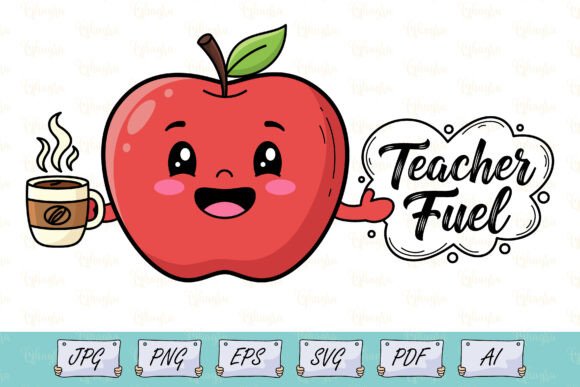
The versatility of a caffeine-themed teacher design extends well beyond standalone use. I frequently pair designs like Powered by Caffeine Teacher Shirt SVG with complementary graphic elements to create richer product bundles. A small coffee bean icon, a subtle pencil illustration, or a delicate apple graphic can frame the main typography and create a more layered visual composition suitable for premium product lines.
Font pairing plays a significant role in how the design integrates into broader collections. If the main design uses a bold sans serif font, pairing it with a flowing script font for accent text creates contrast and visual interest. Conversely, if the design leans decorative,使用 pairing it with a clean serif font for supplementary text maintains readability. The key is consistency across all products within a cohesive design bundle.
Color palette extensions allow the same design to serve multiple seasonal collections. While a classic black and white version works year-round, creating variants in warm autumn tones for fall teacher gifts or bright pastel combinations for spring appreciation events expands the product's marketability without requiring a completely new design asset. Sellers who master this adaptation strategy stretch their graphic investments across more product listings and selling seasons.
Final Production Readiness Assessment
After completing my full workflow evaluation of the Powered by Caffeine Teacher Shirt SVG, I consider it a production-ready asset for the majority of handmade business applications. The design prints cleanly, cuts reliably, and transfers consistently across the product types I tested. Its thematic relevance to the education niche combined with the universal appeal of coffee culture creates a doubly effective marketing hook for Etsy product listings, craft fair displays, and seasonal promotional campaigns.
For makers who specialize in teacher gift products, classroom appreciation bundles, or school-themed handmade collections, this graphic design asset fills a reliable product slot with proven buyer demand. The design does not try to be everything to everyone, and that focused clarity actually increases its commercial usefulness. Customers who search for teacher shirts want exactly this type of relatable, well-executed design, not an abstract concept they need to interpret.
I recommend testing the file on your specific equipment and preferred substrate before ordering bulk materials, as individual printer profiles, cutting machine calibration, and heat press settings introduce variables that no review can fully account for. Once confirmed, however, this design can confidently anchor multiple product offerings across apparel, drinkware, stationery, and gift categories within your handmade business product line.