1776 We the People Flag
As someone who’s stitched hundreds of custom projects—from boutique aprons for local cafes to heirloom baby blankets sold on Etsy—I opened the 1776 We the People Flag file with a quiet kind of anticipation. Not hype, not hope—just curiosity. Would this design hold up in thread? Would it translate from screen to fabric with dignity and clarity? I tested it first on a heavyweight cotton tote bag destined for a Fourth of July farmers’ market pop-up. Here’s what I learned—not as a marketer, but as a maker who’s seen too many “vintage” designs turn muddy under needle and bobbin.
A Design That Breathes Like Fabric
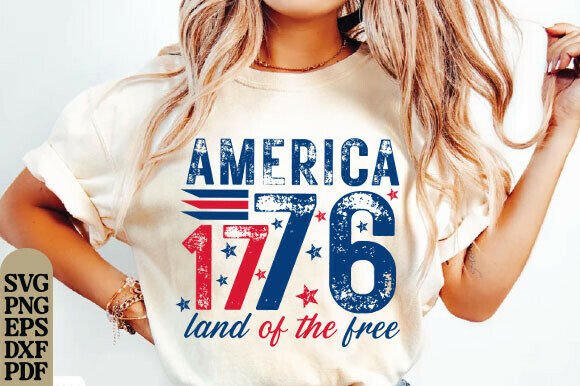
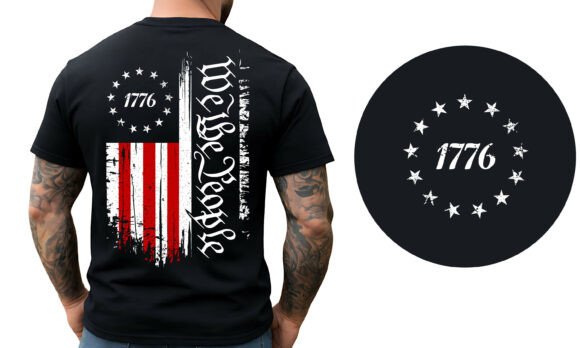
The 1776 We the People Flag lands with immediate visual weight: distressed edges, layered typography, and a deliberate asymmetry that avoids sterile symmetry. It doesn’t scream—it resonates. The “We the People” text sits slightly off-center, echoing historical broadsides rather than modern vector perfection. That intentional imperfection is its strength. In embroidery, this translates beautifully: the distressing reads as subtle satin stitch variation or soft fill stitch transitions—not jagged clipping paths or forced noise. It feels handmade before you even thread the needle.
Where It Shines (and Where It Asks for Care)
This isn’t a one-size-fits-all machine embroidery design. Its charm lives in context:
- Tote bags, sweatshirts, and pillow covers — The scale and texture thrive here. On a natural canvas tote, the vintage grain complements the distressed flag outline; on a loopback cotton sweatshirt, the lettering stays legible without overloading the fabric.
- Embroidered patches and aprons — Clean outer edges and moderate detail density make it ideal for heat-seal or sew-on patches. I stitched it onto a denim apron using medium-weight cutaway stabilizer—and every serif held.
- Holiday gifts and nursery decor — Yes, really. A small-scale version (resized to ~3.5”) worked cleanly on a cotton muslin baby blanket. The “1776” anchor stayed crisp; the “We the People” script softened just enough to feel gentle, not fragile.
But be thoughtful where precision matters most:
- Avoid tight hoop sizes under 4x4 inches—the layout needs breathing room. Tiny corners in the star field or fine serifs in “People” risk stitching loss if compressed.
- Test carefully on stretchy or thin fabrics like jersey tees or lightweight linen. The design’s moderate stitch density helps, but always pair with tear-away + light cutaway stabilizer.
- Dark fabrics demand contrast checks. I ran a black-on-navy test and found the distressed gray tones faded. Switching to cream thread with a white underlay saved it—proof that thread colors matter as much as the embroidery file itself.
- Caps and curved surfaces need simplification. The full design wraps poorly on front panels. I trimmed the bottom banner for a clean cap layout—and kept the top stars and “1776” intact for instant recognition.
What It Does for Your Craft Business
As an Etsy seller and small shop owner, I judge designs by three things: customer trust, perceived value, and repeatability. The 1776 We the People Flag delivers on all three—but only when used intentionally.
Customers respond to authenticity, not cliché. This isn’t a stock flag icon slapped on a shirt. It carries heritage weight—“Liberty,” “Heritage,” “Independence Day” aren’t buzzwords here; they’re baked into the letterforms and spacing. When buyers see it on a handmade tea towel or embroidered patch, they sense craft intention—not clipart assembly. That builds trust faster than any listing description.
For commercial embroidery, it scales well across product types. I used the same SVG file to create a printable mockup for my web store *and* digitized it for a client’s boutique line of kitchen linens. The EPS and PNG Transparent files made color-swapping and background isolation effortless. And because it’s offered as a Graphics package—not just embroidery-ready files—I could adapt it for iron-on transfers or screen-printed versions without losing fidelity.
Practical Designer Notes You’ll Actually Use
Before stitching your first 1776 We the People Flag project, do these five things:
- Test on scrap fabric first—especially if using textured weaves or blends. Watch how the distressed edges interact with thread tension.
- Review stitch density visually, not just numerically. Zoom in on the “W” in “We” and the star points. If details look crowded at 100%, reduce size slightly rather than risk skipped stitches.
- Confirm licensing terms before selling finished products or bundling the digital embroidery file. Since it’s labeled as a Graphics asset with SVG/PDF/JPEG/PNG/EPS, clarify whether commercial use includes resale of stitched items or just physical goods you make yourself.
- Use proper stabilizer for your base fabric—not just “what’s on hand.” Dense fill areas benefit from medium cutaway; lightweight cottons need lightweight tear-away plus a topping.
- Check readability in black-and-white mockups. If “1776” disappears against a busy background in grayscale, it’ll struggle on dark apparel in real life.
Final Thought: It’s Not Just a Flag—It’s a Statement With Stitches
The 1776 We the People Flag works because it respects the medium. It doesn’t fight embroidery—it leans into it. The distressing becomes texture in satin stitch. The layered type invites thoughtful thread color layering. And the vintage mood feels earned, not applied.
Whether you’re prepping for a holiday craft fair, building a cohesive T-Shirt Designs collection, or designing personalized gifts for a local veteran group, this isn’t filler. It’s a design asset with presence—one that makes your finished product feel considered, rooted, and quietly confident. Just remember: great embroidery starts not with the file, but with how thoughtfully you meet it halfway.